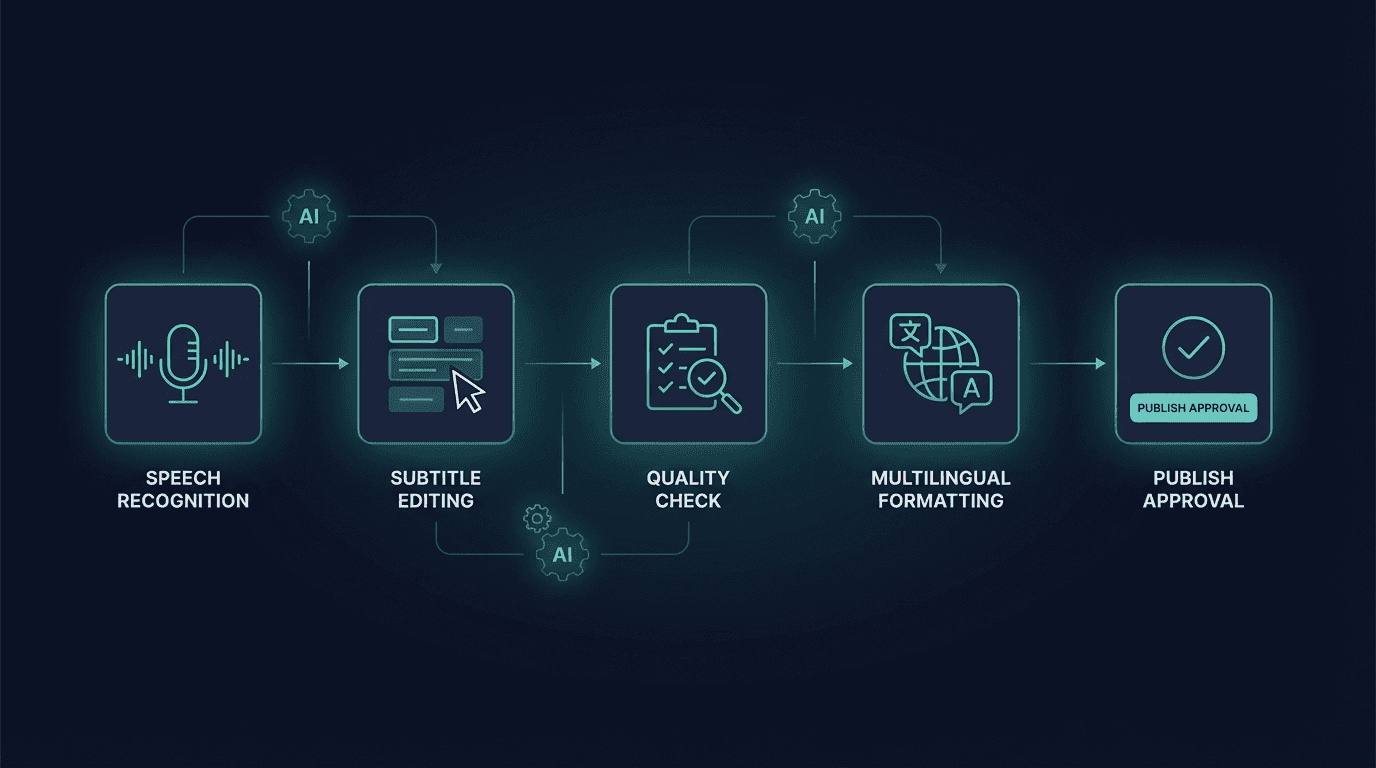
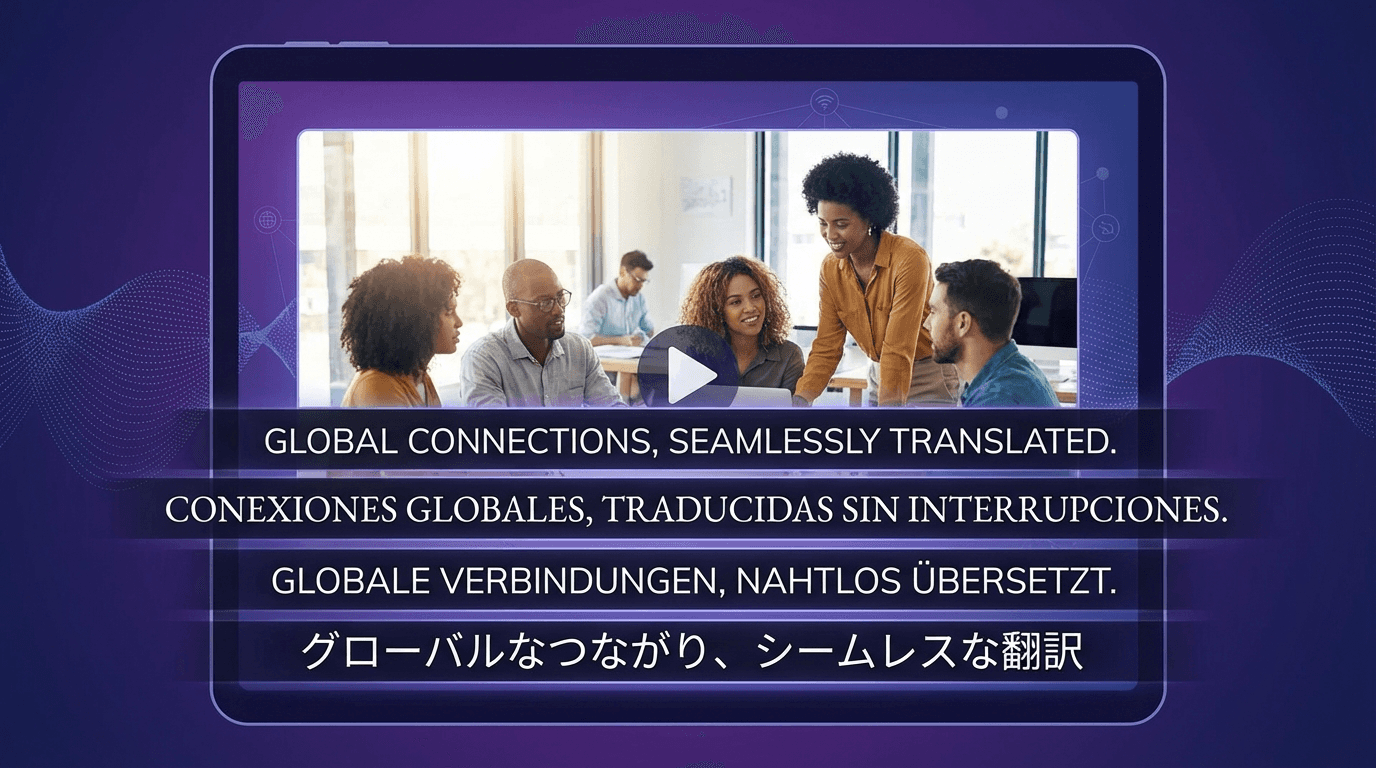
Why Subtitle Timing Quality Matters More Than Raw ASR Accuracy

Addsubtitle Editorial Team
2026年3月23日
AddSubtitle 让品牌和创作者完全掌控他们向全球传递信息的方式。字幕、配音和翻译——全部集中在一个工具中,加速您的视频工作流程。
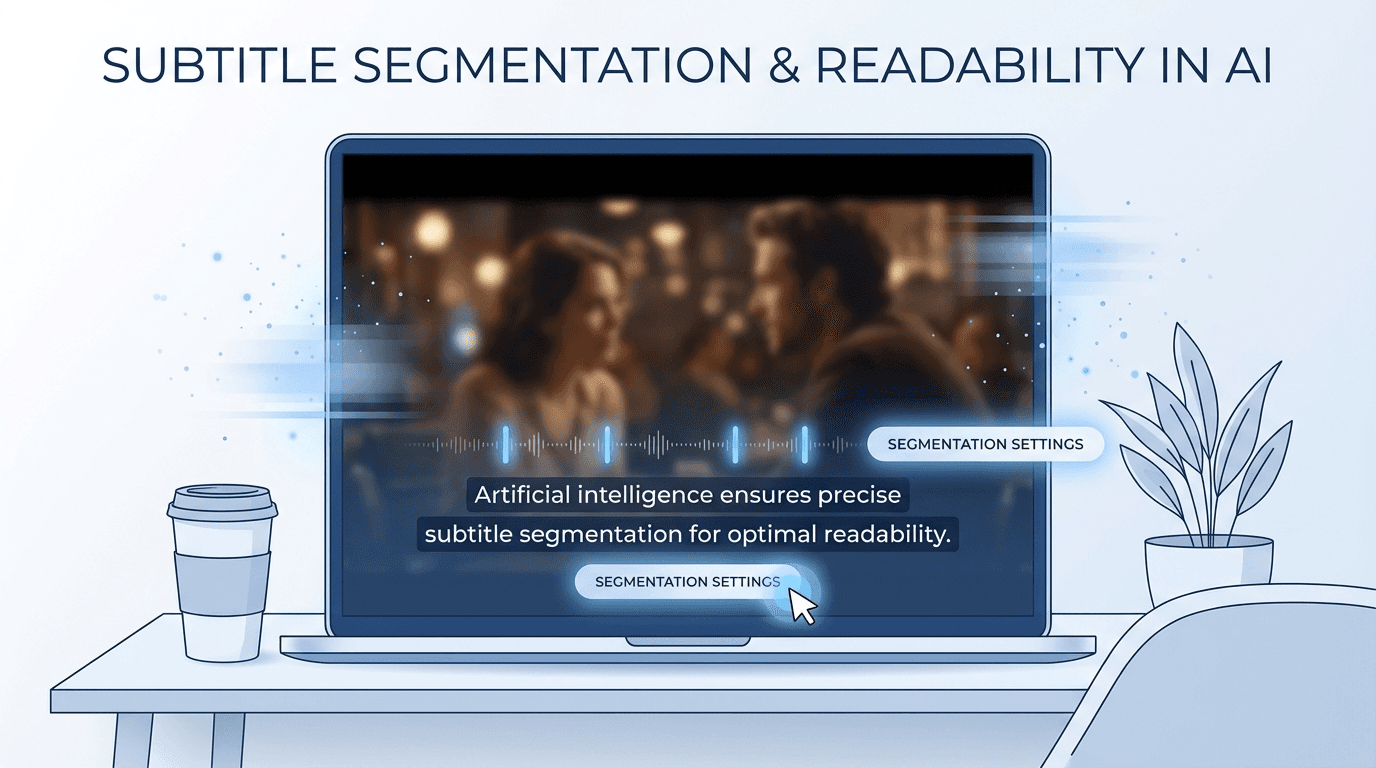
Raw speech recognition accuracy is important, but it is not the strongest predictor of whether subtitles will feel professional on screen. In real production, subtitle timing quality shapes readability, pacing, viewer comfort, and the amount of manual cleanup required before publishing.
Why Subtitle Timing Quality Matters More Than Raw ASR Accuracy
Raw ASR accuracy is not the whole subtitle story. In many real-world workflows, subtitle timing quality has a bigger impact on whether the final result feels readable, natural, and publish-ready.
Teams often compare subtitle tools by looking at word accuracy, recognition benchmarks, or demo speed. Those numbers matter, but they do not fully capture the actual viewer experience. Subtitles are not judged as plain text in a spreadsheet. They are judged on screen, in motion, under time pressure.
When subtitle timing is weak, even accurate text can feel awkward. Lines may appear too early, disappear too quickly, or stay on screen so long that they lag behind the speaker. The result is cognitive friction. Viewers notice the subtitles instead of effortlessly absorbing them.
This is why subtitle timing quality deserves more attention. For Addsubtitle-style workflows, timing is not a secondary formatting concern. It is part of the core product value because it directly affects usability, editorial trust, and publishing efficiency.

Caption: Subtitle quality is experienced over time, not only measured by transcript accuracy.
What does “subtitle timing quality” actually mean?
Subtitle timing quality refers to how well subtitles are synchronized with speech, reading speed, scene rhythm, and viewer comprehension. A high-quality subtitle file does more than contain the right words. It presents those words at the right moment, for the right duration, in units that people can comfortably process.
In practice, timing quality includes several factors:
when each subtitle enters the screen
when it disappears
whether the exposure time matches reading load
whether adjacent subtitle blocks flow naturally
whether subtitle changes feel aligned with speech and visual pacing
That means timing quality is both technical and editorial. It requires synchronization logic, but it also reflects judgment about readability and viewer attention.
Why can accurate transcripts still produce bad subtitles?
A transcript and a subtitle file solve related but different problems. A transcript preserves speech content. A subtitle file must support real-time reading during video playback.
That difference is crucial. A transcript can be accurate at the word level while still failing as subtitle output for three common reasons.
1. The subtitle stays on screen for the wrong amount of time
If a subtitle contains too much text for its exposure time, viewers are forced to rush. If it stays too long after the speech has moved on, the subtitle feels delayed and disconnected.
2. Subtitle changes do not match speech rhythm
Viewers naturally expect subtitle changes to feel coordinated with the speaker’s delivery. When one subtitle block spans too many speech units, or when cuts happen at unnatural moments, comprehension becomes less fluid.
3. Dense text creates visual strain
Even accurate wording can feel heavy if the subtitle block is too dense for the screen moment. On-screen reading is constrained by attention, motion, and scene changes in a way that static text is not.
Why timing quality matters so much in publish-ready workflows
In real production, timing quality influences both the audience experience and the editorial cost of delivery.
From the viewer side, timing quality determines whether subtitles feel smooth, readable, and trustworthy. Poor timing makes content feel cheap or machine-made even when the recognition layer is strong.
From the production side, timing quality determines how much manual repair editors must do before release. If timing logic is unstable, teams end up spending time retiming lines, redistributing text, and rechecking reading speed. That manual work quickly erodes any efficiency benefit from automated generation.
For this reason, tools should not be judged only by how fast they produce a subtitle file. They should be judged by how close that file is to editorially acceptable timing behavior.

Caption: Timing quality depends on exposure, rhythm, and how subtitle blocks relate to one another.
Which timing problems most often damage subtitle quality?
Several timing failures appear repeatedly in weak subtitle output.
Over-compressed subtitle windows
Too much text is placed into too little screen time. This usually happens when transcription is treated as a direct subtitle feed without strong timing control.
Lingering subtitles
A subtitle remains visible long after the spoken phrase has ended. This may improve raw readability on paper, but it damages sync perception and can make the viewer feel that subtitles are trailing behind the scene.
Choppy micro-subtitles
Very short subtitle bursts can feel twitchy and tiring, especially when they appear in rapid succession. This often happens when systems follow word timestamps too literally without smoothing for reading rhythm.
Timing that ignores scene dynamics
Subtitles should not exist in isolation from the visual experience. Fast cuts, reaction shots, and dense motion all affect how much reading load a viewer can comfortably handle.
How should AI subtitle systems handle timing better?
A stronger subtitle workflow usually handles timing at the phrase or sense-unit level rather than treating every transcript fragment equally. The goal is to optimize for real viewing conditions, not only timestamp precision.
Better systems typically do four things well:
group speech into readable subtitle units
assign display duration based on reading load, not only audio boundaries
smooth transitions between adjacent subtitle blocks
adjust timing behavior when language length or subtitle density changes
This is also where multilingual workflows become harder. A subtitle duration that works in one language may be too short or too long in another because text expansion and reading rhythm are different.
What should teams measure besides ASR accuracy?
If teams want a more realistic evaluation standard, they should combine recognition metrics with workflow metrics such as:
average subtitle reading load
percentage of lines that require manual retiming
segmentation stability across long-form content
perceived sync quality in reviewer checks
time from first-pass generation to publish-ready approval
These measures are less glamorous than raw benchmark charts, but they are much closer to what editorial teams actually care about.

Caption: Practical subtitle evaluation should track viewer readability and editing workload, not just transcript correctness.
What does this mean for Addsubtitle?
For Addsubtitle, the strategic takeaway is simple: timing quality should be treated as product substance, not interface polish.
If the workflow can consistently reduce retiming work while keeping subtitles readable and natural, it creates real operational value. That matters more than claiming strong recognition alone, because most serious users already assume baseline transcription competence. What they care about next is how much cleanup remains.
That positioning is stronger, more defensible, and closer to the real buying logic of subtitle teams. The market is gradually moving from “Can AI generate subtitles?†to “How close are those subtitles to publish-ready quality?†Timing quality sits right inside that second question.
Conclusion
Raw ASR accuracy still matters, but it is not the best single proxy for subtitle quality. In practice, subtitle timing quality often has a larger effect on readability, sync comfort, editorial trust, and workflow efficiency.
That is why the next generation of AI subtitle products should be evaluated less like speech demos and more like production systems. The winner is not the system that recognizes the most words in isolation. It is the system that produces subtitles viewers can comfortably follow and editors do not need to heavily repair. Click here to start using AddSubtitle.ai right away.
免费使用