Seedance 2.0 يمكن أن يولد الفيديو - لكن Addsubtitle يساعده على الوصول أبعد

فريق تحرير Addsubtitle
إضافة الترجمة تعطي العلامات التجارية والمبدعين السيطرة الكاملة على كيفية تقديم رسالتهم للعالم. الترجمة النصية، والتعليق الصوتي، والترجمة - كل ذلك في أداة واحدة لتسريع سير عمل الفيديو لديك.
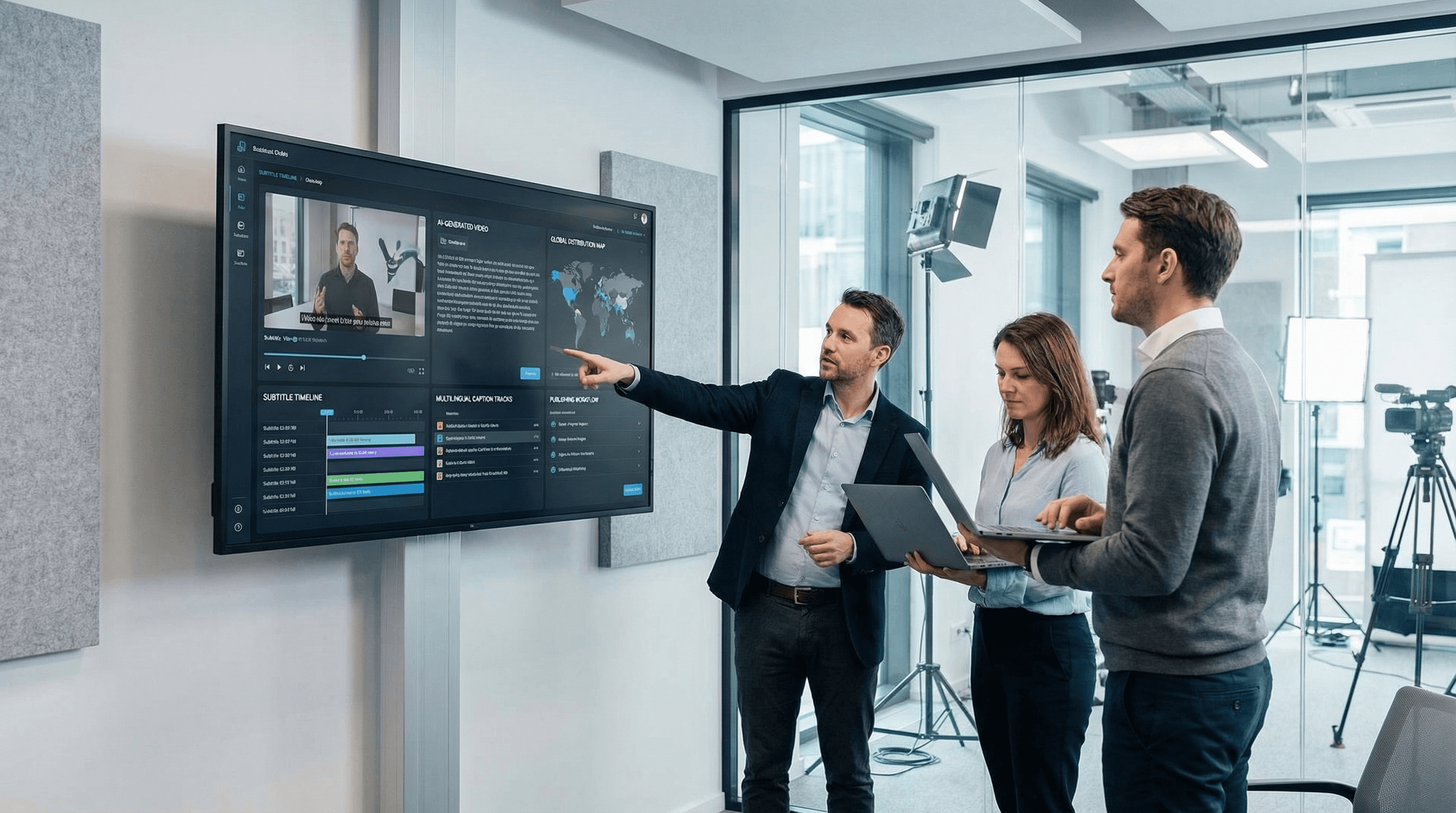
Seedance 2.0 يحسن جانب التوليد في الفيديو الذكي، ولكن الوصول الفعلي للأعمال يعتمد على ما يحدث بعد الرندر. تساعد Addsubtitle مقاطع الفيديو المولدة لتصبح قابلة للقراءة والترجمة والاستخدام عبر سير العمل متعددة اللغات للنشر.
Seedance 2.0 يمكن أن ينتج الفيديو - لكن Addsubtitle تساعده على السفر أبعد
Seedance 2.0 مثير لأنه يمثل طبقة توليد أقوى في سوق الفيديو الذكي. لكن الفرق التي ترغب فعلاً في الوصول، السؤال الأكثر أهمية يأتي بعد التوليد: كيف يصبح ذلك الفيديو قابلاً للفهم، قابلًا للترجمة، وقابلًا للنشر عبر الأسواق؟
تتطور أدوات الفيديو الذكي بسرعة. لم تعد المحادثة تتعلق بما إذا كان يمكن لنموذج تحويل المطالبات إلى حركة. المزيد من المستخدمين يركزون على الاتساق، والرقابة، والجودة البصرية، وما إذا كان يمكن أن يتناسب الفيديو المنتج مع سير العمل المحتوى الحقيقي.
لهذا السبب جذبت Seedance 2.0 الكثير من الاهتمام. إنها تشير إلى مرحلة أكثر نضجًا في إنشاء الفيديو الذكي، حيث يتوقع المستخدمون تحكمًا متعدد الوسائط أقوى وإخراجًا أكثر ملاءمة للإنتاج. بالنسبة للمبدعين، والعلامات التجارية، وفرق الإعلام، هذا الأمر مهم. يعني تحسن التوليد سرعة إنشاء المحتوى والمزيد من المجال للتجربة.
لكن تحسن التوليد لا يخلق تلقائيًا توزيعًا أفضل.
يمكن أن يبدو الفيديو مثيرًا للإعجاب ولا يزال يفشل في الأداء عالميًا إذا لم يستطع المشاهدون فهمه بسرعة، إذا كانت تفتقر إلى ترجمة قابلة للقراءة، أو إذا كانت محصورة بلغة واحدة فقط. هنا يأتي دور Addsubtitle كجزء من نفس قصة سير العمل.
التعليق: تحسن Seedance 2.0 طبقة التوليد، بينما Expand الموزع Addsubtitle طبقة التوزيع.
Seedance 2.0 يغير الواجهة الأمامية لإنتاج الفيديو
أقوى جاذبية في Seedance 2.0 هي أنها تبدو وكأنها تقلل الاحتكاك في مرحلة إنشاء المحتوى.
بالنسبة للفرق العاملة على الفيديوهات القصيرة، والإعلانات، وشرح المنتجات، أو المرئيات الحملات، هذا الأمر مهم لسبب بسيط: الحاجة للمحتوى تواصل الارتفاع. تحتاج العلامات التجارية إلى مزيد من المقاطع، مزيد من النسخ، مزيد من الصيغ، وأوقات تحوال اسرع. تعتبر نماذج الفيديو الذكي جذابة لأنها تجعل المسودة الأولى أرخص وأسرع.
في هذا السياق، تساعد Seedance 2.0 في الواجهة الأمامية لسير العمل:
تصور المفهوم
توليد المسودة
تجربة المشهد
التكرار الإبداعي السريع
إنتاج محتوى قابل للتوسع
هذه ميزة ذات معنى. إنها تتيح المزيد من الأفكار لتصبح أصولًا بصرية قابلة للاستخدام.
لكن بمجرد وجود الفيديو، تدخل سير العمل مرحلة مختلفة.
العقبة الحقيقية تأتي بعد إنشاء الفيديو
هنا تكتشف العديد من الفرق أن التوليد هو جزء فقط من العمل.
بعد إنتاج الفيديو، لا تزال هناك عدة أسئلة حاسمة:
هل يمكن للجمهور فهمه دون تشغيل الصوت؟
هل الترجمة دقيقة وقابلة للقراءة؟
هل يمكن ترجمة المحتوى للمشاهدين الدوليين؟
هل يمكن تكييف أصل واحد لأسواق مختلفة دون إعادة بناء كل شيء يدويًا؟
هل الفيديو جاهز بالفعل للنشر عبر عدة منصات؟
هذه الأسئلة مهمة لأن التوزيع أصبح مشكلة متعددة اللغات.
فيديو التسويق الذي يعمل فقط بلغة واحدة له قيمة محدودة. فيديو شرح المنتج الذي لا يمكن ترجمته بشكل صحيح يفقد إمكانية الوصول. مقطع حملة لا يمكن محليته بسرعة يصبح مكلفًا مرة أخرى، حتى لو كانت التكلفة الأصلية للإنتاج رخيصة.
لهذا السبب أصبحت طبقة ما بعد التوليد الآن واحدة من أهم أجزاء حزمة فيديو الذكاء الصناعي.
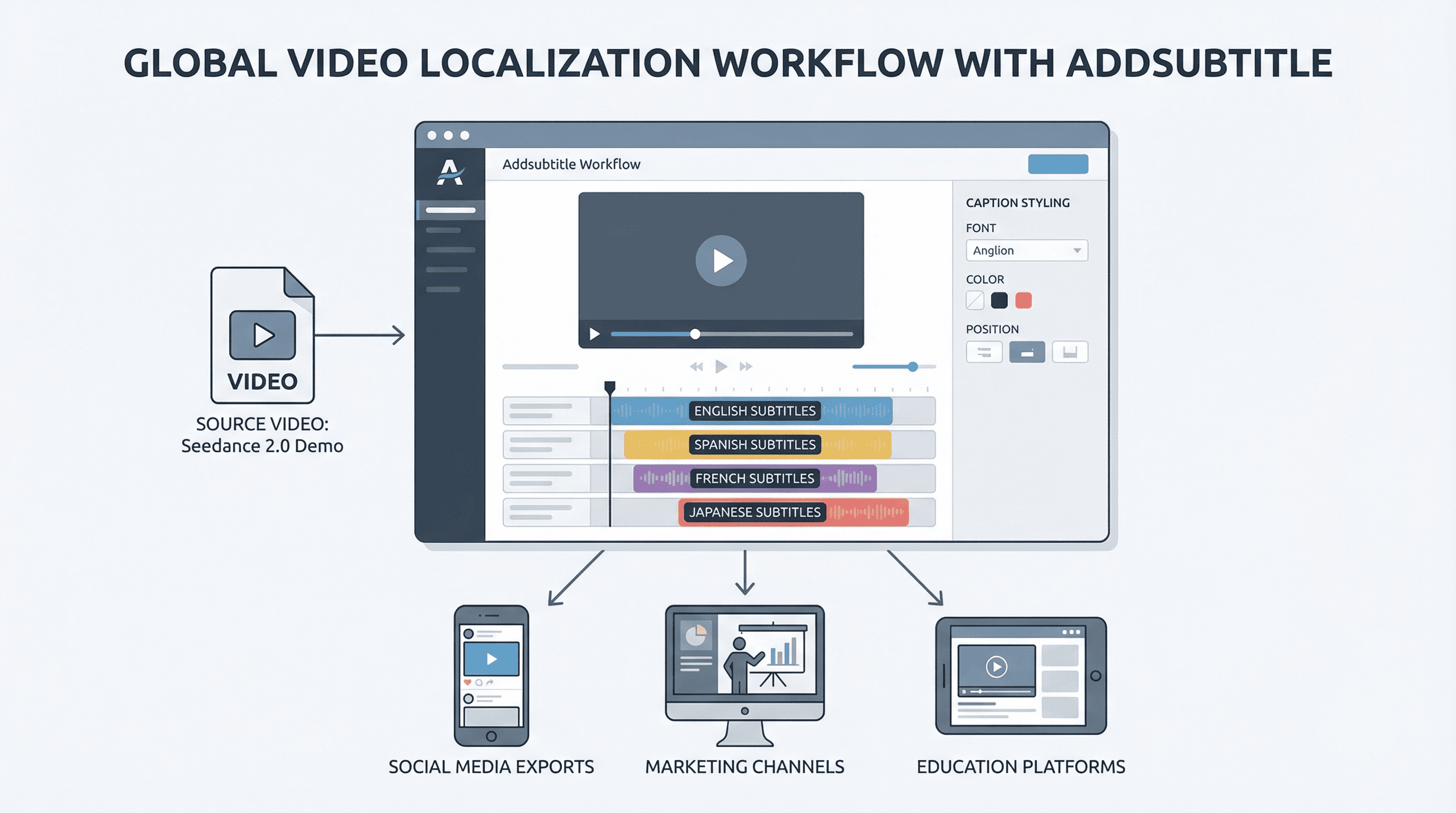
التعليق: غالبًا ما تظهر العقبة الحقيقية بعد إنشاء الفيديو، عندما تحتاج الفرق إلى الترجمة، والترجمة، وإعداد النشر.
Seedance 2.0 تخلق العرض. Addsubtitle توسع إمكانية الاستخدام.
هذه هي الطريقة الأكثر وضوحًا لفهم العلاقة.
تساعد Seedance 2.0 على إنشاء المزيد من الفيديو.
تساعد Addsubtitle في جعل هذا الفيديو قابلًا للاستخدام في المزيد من السياقات.
تعتبر إمكانية الاستخدام هذه مهمة على الأقل في ثلاث طرق.
1. تساعد Addsubtitle الفيديوهات المولدة على العمل في بيئات مشاهدة صامتة
نسبة كبيرة من استهلاك الفيديو تبدأ مع تشغيل صوت مكتوم، خاصة على منصات التواصل الاجتماعي. في هذه اللحظات، لا تكون الترجمة تحسينًا بسيطًا. غالبًا ما تكون السبب الوحيد لفهم المشاهد للرسالة على الإطلاق.
إذا كانت Seedance 2.0 تزيد من عدد الفيديوهات التي يمكن للفريق إنشاؤها، فإن Addsubtitle تساعد في ضمان أن تلك الفيديوهات لا تزال تتواصل بشكل فعال في ظروف العرض الحقيقية.
2. تساعد Addsubtitle الفيديوهات المولدة على عبور حواجز اللغة
يمكن أن يسرع توليد الفيديو الذكي من إنتاج الوسائط المرئية، لكن الوصول الدولي يعتمد على إمكانية الوصول اللغوي.
تسمح Addsubtitle للفرق بـ:
توليد الترجمة من المحتوى المنطوق
ترجمة الترجمة إلى عدة لغات
تكييف الرسائل لجمهور أوسع
تقليل عبء العمل على تحرير الترجمة يدويًا
هذا يجعل من الممكن أن يدعم أصل واحد تم إنتاجه بواسطة Seedance 2.0 عدة أسواق بدلاً من سوق واحدة فقط.
3. تساعد Addsubtitle الفيديوهات المولدة على الاقتراب من حالة الجاهزية للنشر
النشر ليس مجرد إنشاء. إنه يتعلق بالجاهزية.
يصبح الفيديو أكثر قيمة بكثير عندما يكون:
مترجم بشكل واضح
قابل للقراءة على الجوال
قابل للاستخدام في الحملات متعددة اللغات
أسهل في التصدير والتوزيع عبر القنوات
هنا تضيف Addsubtitle قيمة تشغيلية. إنها تساعد في سد الفجوة بين "الأصل المنتج" و"الأصل القابل للنشر".
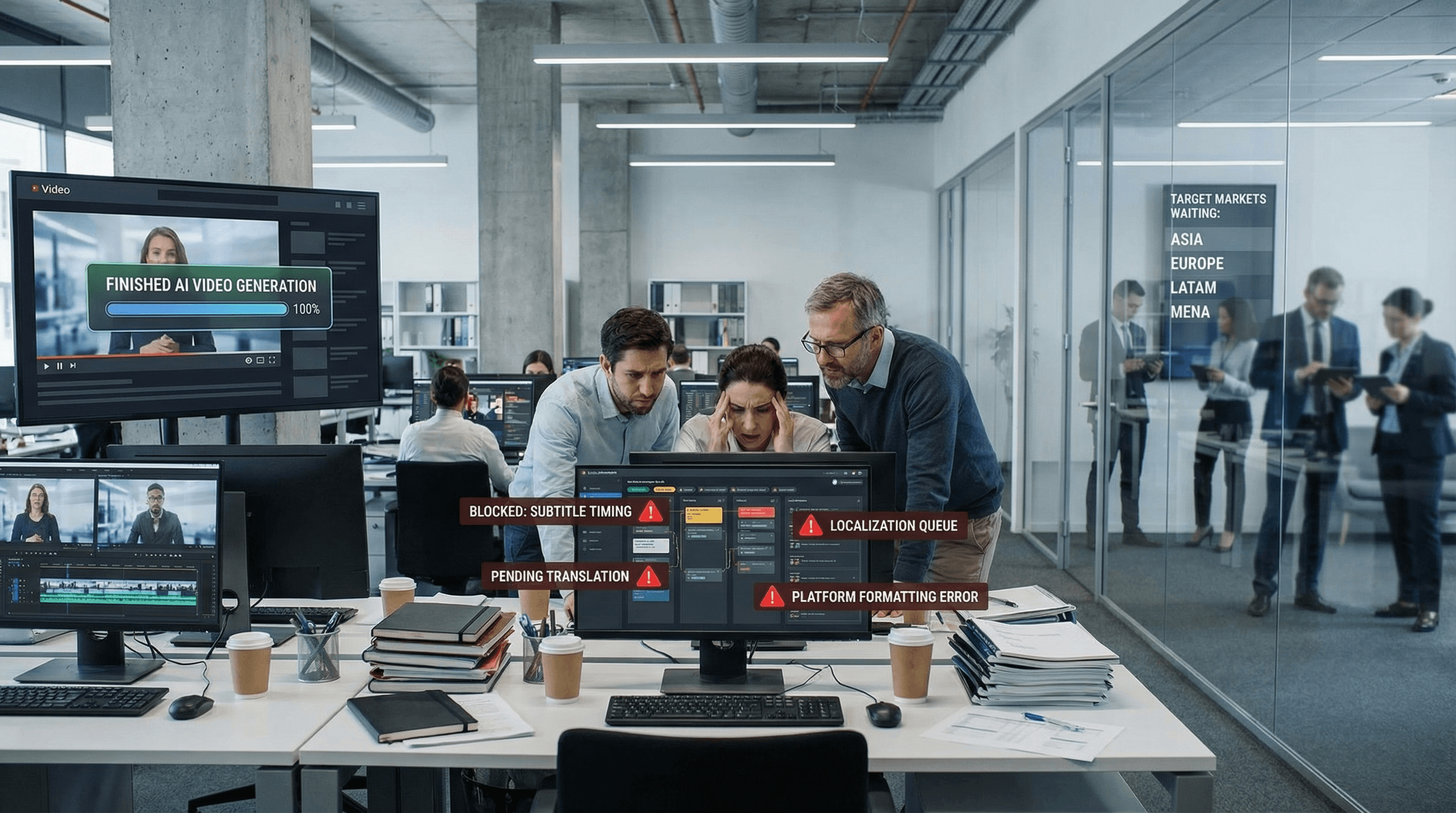
التعليق: تساعد Addsubtitle الفيديوهات المولدة في أن تصبح متعددة اللغات، وقابلة للوصول، وجاهزة للتوزيع عبر المزيد من الأسواق.
لماذا هذا مهم للعلامات التجارية والمبدعين
بالنسبة للمبدعين، يمكن أن تزيد Seedance 2.0 من سرعة الإنتاج.
بالنسبة للعلامات التجارية، فإن هذه السرعة مفيدة فقط إذا كان بإمكان المحتوى فعلاً أن يتم نشره عبر الحملات، والجماهير، والمناطق.
هذا هو الفرق بين كفاءة الإنشاء وكفاءة التوزيع.
تقول كفاءة الإنشاء:
يمكننا صنع المزيد من الفيديوهات بشكل أسرع.
تقول كفاءة التوزيع:
يمكننا جعل تلك الفيديوهات قابلة للفهم، وقابلة للتع localization، وقابلة لإعادة الاستخدام على نطاق واسع.
الأخيرة هي التي تأتي منها عادة القيمة الطويلة الأجل للمحتوى.
لهذا السبب يجب ألا تُعتبر Seedance 2.0 وAddsubtitle كفئات منفصلة. واحدة تقوي طبقة التوليد المرئية؛ والأخرى تقوي طبقة الترجمة وتوصيل الترجمة. معًا، يشكلان سير عمل نشر أكثر اكتمالًا.
سير عمل أفضل لفرق الفيديو الذكي
يبدو سير العمل الحديث الواقعي كالتالي:
استخدم Seedance 2.0 لتوليد أو تحسين الأصل الفيديوي
حدد الطبقة الصوتية أو السردية التي تحتاج إلى دعم الجمهور
استخدم Addsubtitle لإنشاء ترجمات دقيقة
ترجم تلك الترجمة إلى اللغات المستهدفة
أعد الفيديو للنشر متعدد اللغات والتوزيع الأوسع
هذا سير العمل أقوى من التوليد وحده لأنه ينسق بين الإنشاء والتواصل.
يصبح الفيديو المنتج أكثر قيمة فقط عندما يمكن لمزيد من الأشخاص فهمه.
لماذا تستحق Addsubtitle أن تكون في محادثة Seedance 2.0
غالبًا ما ينظر السوق إلى توليد الفيديو الذكي كميزة رئيسية وأدوات الترجمة كوسائل ثانوية.
هذا الإطار ضحل جدًا.
إذا نجحت Seedance 2.0 في جعل إنتاج الفيديو أسهل، فإن التحدي التالي يصبح أكثر وضوحًا: ستجد الفرق فجأة أن لديها المزيد من المحتوى الذي يحتاج إلى تحديد موقعه، وترجمته، ودعمه للنشر متعدد اللغات.
هذا يعني أن Addsubtitle ليست هامشية بالنسبة لهذا الاتجاه. بل تصبح أكثر أهمية لأن نجاح التوليد يعزز الطلب في أسفل السلسلة على سير العمل الترجمي والترجمة.
من الناحية العملية، تساعد Addsubtitle المستخدمين:
تحويل المحتوى المنطوق إلى ترجمات قابلة للقراءة
ترجمة فيديو واحد لجمهور متعدد اللغات
تحسين إمكانية الوصول والفهم
إعداد الفيديو الذكي المنتج للتوزيع الواقعي
هذا ليس طبقة تجميلية. إنها طبقة نمو.
الخاتمة
Seedance 2.0 هي إشارة مهمة في سوق الفيديو الذكي لأنها تظهر مدى سرعة تحسن طبقة التوليد. لكن التوليد هو فقط بداية دورة حياة المحتوى.
بالنسبة للفرق التي ترغب في الوصول الحقيقي، التحدي الأكبر هو جعل الفيديوهات المولدة قابلة للفهم، وقابلة للوصول، وقابلة للترجمة عبر المنصات والأسواق.
هنا تتناسب Addsubtitle بشكل طبيعي مع سير العمل.
يمكن أن تساعد Seedance 2.0 في إنشاء الفيديو.
تساعد Addsubtitle ذلك الفيديو في أن يسافر بعيدًا.
وفي بيئة المحتوى العالمية، تلك الفجوة مهمة.
إنه مجاني