Google Is Making AI Video More Practical for Creators—And That Makes Addsubtitle More Relevant

Addsubtitle Editorial Team
Add Subtitle gives brands and creators full control over how their message meets the world. Subtitles, voiceover, and translation—all in one tool to speed up your video workflow.
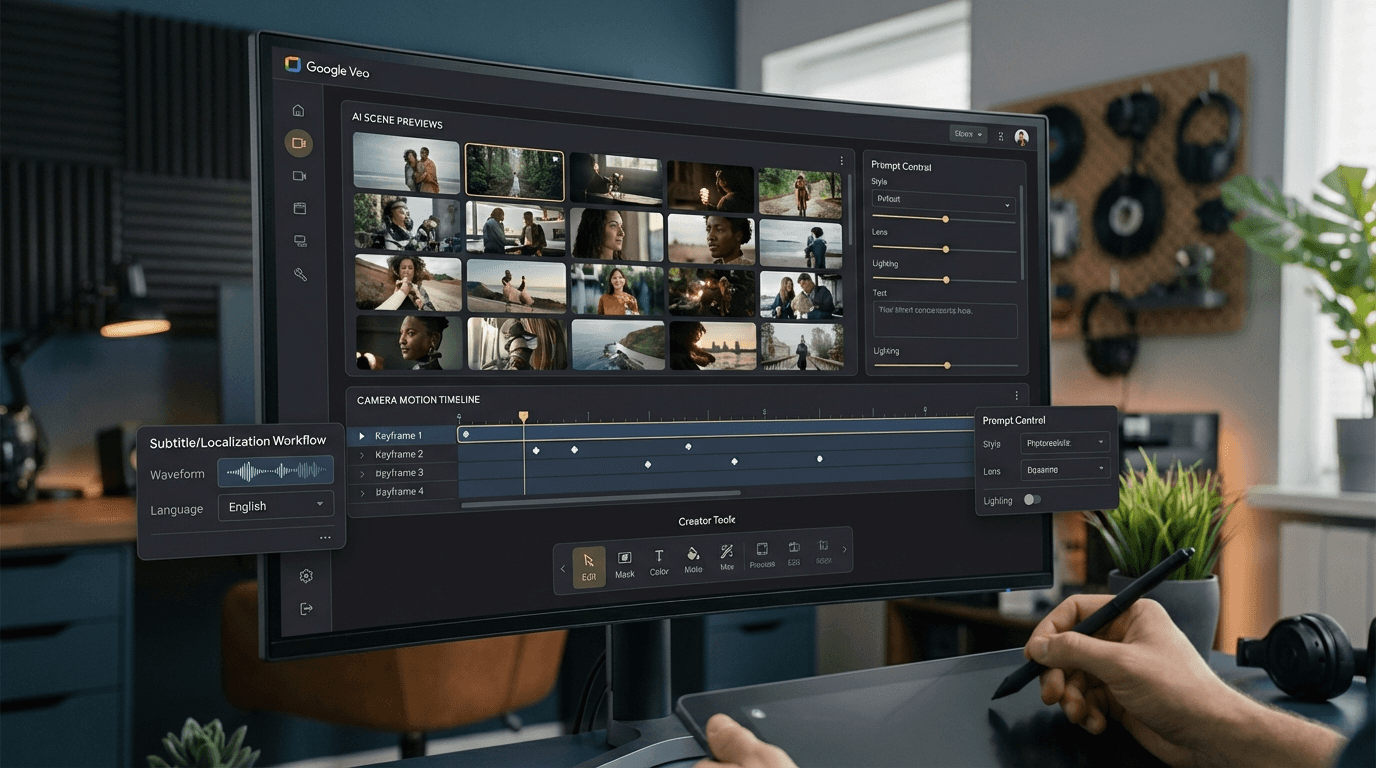
Google’s February 2026 AI updates for video creators matter for a simple reason: they show that AI video is moving closer to real production workflows. That is the real story behind Veo’s improvements. And once video generation becomes more practical, the next bottleneck shifts downstream—to subtitles, localization, and publish-ready delivery. That is exactly where Addsubtitle becomes more relevant.
Google Is Making AI Video More Practical for Creators—And That Makes Addsubtitle More Relevant
Google’s February 2026 AI updates for video creators matter for a simple reason: they show that AI video is moving closer to real production workflows. That is the real story behind Veo’s improvements. And once video generation becomes more practical, the next bottleneck shifts downstream—to subtitles, localization, and publish-ready delivery. That is exactly where Addsubtitle becomes more relevant.
For months, the AI video conversation has been dominated by the usual questions: which model looks best, which one is more cinematic, which one handles motion better, and which one generates more realistic footage.
Those questions still matter. But they are no longer the only ones that matter.
What makes Google’s latest creator-facing AI updates more interesting is that they push the conversation beyond spectacle. Instead of treating video generation as a standalone demo, the update frames tools like Veo as part of a creator workflow. That shift is more important than another model-comparison headline.
Because once AI video becomes easier to use in an actual workflow, the next challenge becomes obvious: how does all of that generated content become understandable, localizable, and ready to publish across different platforms and markets?
This update matters because it is about workflow, not just model quality
Based on Google’s creator-focused update, the story is not simply that Veo got “better.” The more important point is how it got better.
The reported improvements focus on the kinds of things that make video generation more usable in production:
stronger prompt understanding
better handling of motion and camera movement
improved temporal consistency
fewer visual breakdowns across sequences
smoother interpretation of creative direction
That combination matters because it reduces friction between idea and output.
In earlier phases of AI video, many demos looked impressive but still felt detached from actual content operations. The output might have been visually interesting, but it was not always stable, directable, or practical enough for repeated use.
Google’s framing suggests something different: AI video is becoming less of a novelty feature and more of a usable creative layer.
That is the real signal here.
Why this is a bigger story than another model ranking
The AI video market often over-focuses on leaderboard thinking.
Who has the most realistic model?
Who has the best physics?
Who has the strongest cinematic output?
That is useful for enthusiasts, but it is not the whole story for creators, brand teams, or content marketers.
For those users, the more important question is whether the model can fit into an actual publishing pipeline.
A model becomes more commercially meaningful when it helps a team:
move faster from prompt to usable footage
iterate more quickly on multiple content versions
reduce production overhead for visual experimentation
support content systems rather than one-off clips
This is why Google’s update deserves attention. It is not only about model capability. It is about the operational direction of AI video.
That matters far more in the long run.
The real shift: AI video is moving closer to creator infrastructure
This is where the deeper industry meaning appears.
If video generation models keep improving inside creator tools and connected workflows, then AI video will stop being judged only as a research milestone. It will be judged as infrastructure.
That changes how people should think about the category.
Infrastructure questions are different from demo questions.
They sound like this:
Can teams use this repeatedly?
Can this plug into existing content operations?
Can this support campaign velocity?
Can this create assets that are ready for distribution, not just generation?
Once those questions become central, the value chain widens.
And when the value chain widens, video generation is no longer the whole story.
Better generation creates a new downstream bottleneck
This is the part that many hot-topic articles miss.
When video generation gets easier, content volume increases. More generated clips, more campaign variations, more explainers, more regional adaptations, more social assets.
That sounds like pure upside. But it also creates pressure downstream.
More generated video means teams now need more of the following:
subtitle creation
subtitle timing and readability work
multilingual translation
localization for different markets
mobile-friendly caption presentation
publish-ready exports for multiple platforms
In other words, when upstream generation improves, downstream delivery gets harder.
This is why the next bottleneck in AI video is not just visual quality. It is communication quality.
Why this makes Addsubtitle more relevant
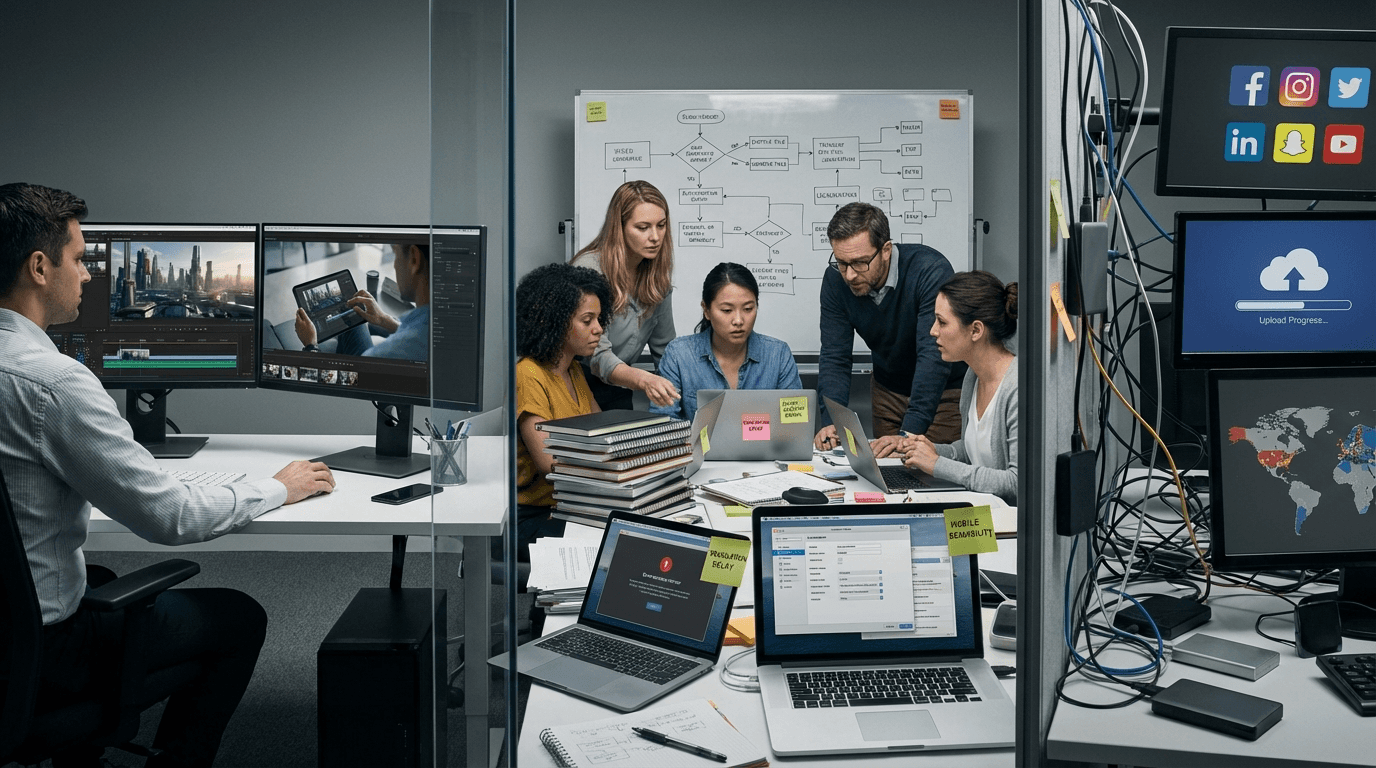
This is where the Addsubtitle connection becomes very natural.
If Google and other major players are making AI video easier to create, then creators and brands will soon face a more practical problem: generated content still needs to be understood.
That is especially true in real publishing environments where audiences:
watch on mute
scroll quickly
consume content on mobile
come from multiple language markets
expect accessible, readable video communication
This is not a cosmetic issue.
It is a distribution issue.
Addsubtitle becomes more relevant in this environment because it supports the layer that comes after generation:
turning spoken or narrated content into readable subtitles
helping teams prepare content for multilingual publishing
making generated video more usable in silent-viewing contexts
moving assets closer to publish-ready status
The stronger AI video generation becomes, the more valuable this layer becomes.
The better way to frame the market
The strongest framing is not:
AI video models are getting better.
The stronger framing is:
AI video models are getting easier to operationalize.
That difference matters.
A better model is impressive.
A more operational model changes workflows.
And once workflows change, the adjacent tools around distribution become more important.
That is why Addsubtitle should not be treated as a peripheral utility in the AI video era. It belongs to the next layer of the same story.
Google’s creator update points toward a future where generating visual content becomes faster and more integrated. But when that happens, subtitles, translation, readability, and localization become part of the competitive edge.
What this means for creators and brand teams
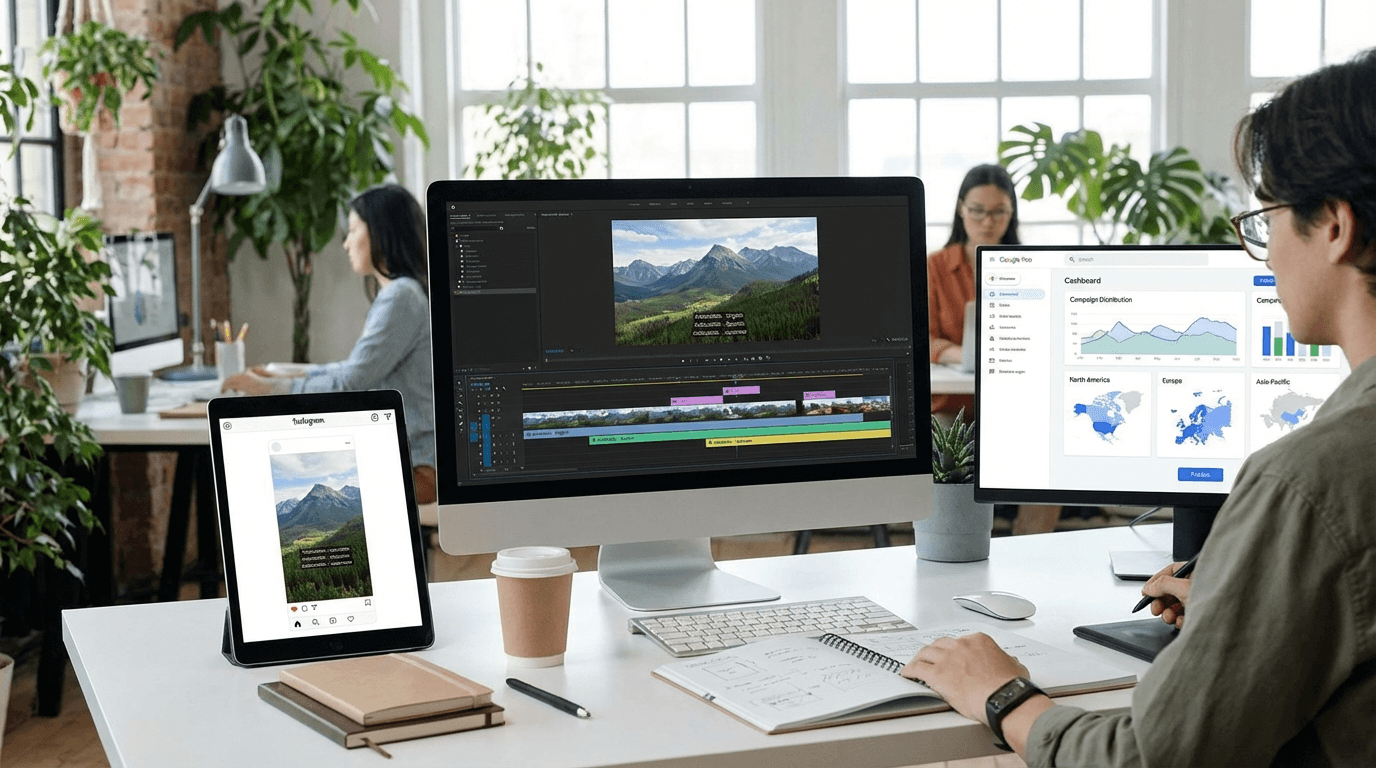
For creators, updates like this reduce production friction.
For brand teams, they increase the number of visual assets that can be created, tested, and adapted.
For marketing teams, they create more room for campaign experimentation and content variation.
But all of those benefits remain incomplete if the resulting videos cannot be deployed effectively.
A generated video becomes more valuable when it can:
communicate clearly without sound
reach more than one language audience
fit multiple publishing channels
support repeatable content operations
That is why subtitle workflow is becoming more strategic, not less.
As creation gets easier, distribution quality becomes a larger share of the value equation.
The long-term takeaway
Google’s creator-facing AI update matters because it reflects a broader shift in the AI video market.
The category is moving away from pure “look what this model can do” energy and closer to “how does this fit into a working content system?”
That is a healthier and more commercially meaningful phase of the market.
And it also clarifies where Addsubtitle fits.
If AI video generation is becoming part of creator infrastructure, then subtitle, localization, and publish-ready delivery are becoming part of distribution infrastructure.
That means the winners in AI video will not be defined only by who can generate the best footage.
They will also be defined by which workflows help generated footage travel further.
Conclusion
Google’s latest creator-oriented AI update is worth paying attention to not because it adds another entry to the AI video model race, but because it signals something more important: AI video is moving closer to practical, everyday workflow use.
That changes the conversation.
Once generated video becomes easier to create, the next challenge becomes making that video understandable, accessible, and distributable.
That is where Addsubtitle becomes more relevant.
Veo may help creators produce video more efficiently.
Addsubtitle helps that video communicate more effectively once it enters the real world.
And in an AI content market moving from generation to operations, that difference matters a lot.
It's Free