Open-Source AI vs Closed Models: Why the Next Wave of Innovation Will Be Decentralized

Alex Chen
Add Subtitle gives brands and creators full control over how their message meets the world. Subtitles, voiceover, and translation—all in one tool to speed up your video workflow.
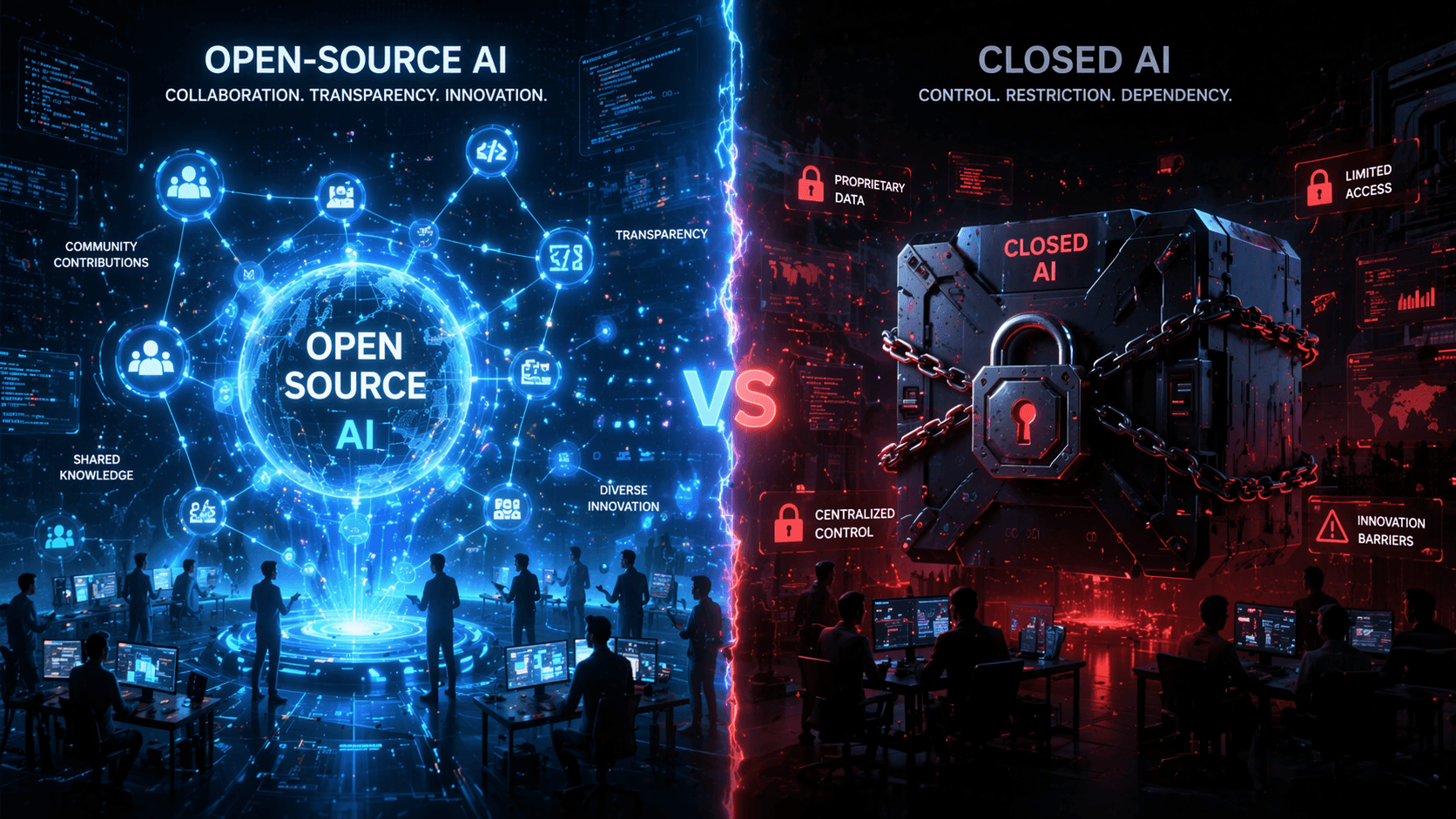
The AI landscape is rapidly evolving into a battle between open and closed ecosystems. While proprietary models like GPT and Claude dominate headlines, open-source alternatives such as LLaMA, Mistral, and Mixtral are gaining momentum—offering flexibility, transparency, and rapid innovation.
This shift is not just technical—it’s philosophical. Open-source AI empowers developers to experiment, customize, and deploy models without restrictions. As more organizations seek control over their AI infrastructure, decentralization is becoming a defining trend in the industry.
Open-source AI models are accelerating innovation by enabling global collaboration. Developers can fine-tune models for specific use cases, share improvements, and build upon each other's work. This collective intelligence often leads to faster iteration cycles compared to closed systems.
addsubtitle: Break language barriers instantly with AI-driven subtitles, making your technical and educational content accessible worldwide.
👉 [Register Now] → https://addsubtitle.com/register
The Rise of Open AI Ecosystems
Open-source AI has evolved from a niche movement into a powerful force shaping the industry. Early open models struggled to compete with proprietary systems, but recent advancements have significantly narrowed the performance gap.
Projects like LLaMA, Mistral, and Mixtral demonstrate how community-driven innovation can rival—and sometimes surpass—closed models. Developers around the world contribute improvements, optimize performance, and adapt models for specialized use cases.
This collaborative approach accelerates progress. Instead of relying on a single organization’s roadmap, open-source AI evolves organically, driven by real-world needs and experimentation. The result is a more dynamic and responsive ecosystem.
Customization as a Strategic Advantage
One of the defining benefits of open-source AI is customization. Organizations are no longer constrained by the limitations of a fixed API. They can fine-tune models on proprietary data, adjust behavior, and optimize performance for specific workflows.
This level of control is particularly important for industries with strict requirements—such as healthcare, finance, and enterprise software. Data privacy, compliance, and model transparency become manageable when the infrastructure is fully owned and controlled.
Moreover, customization enables differentiation. Instead of using the same generic AI capabilities as competitors, companies can build tailored solutions that align with their unique value propositions.
Cost, Infrastructure, and Long-Term Scalability
While proprietary AI models offer convenience, they often come with recurring costs that scale with usage. For high-volume applications, these costs can become significant.
Open-source models provide an alternative path. By hosting models locally or on private infrastructure, organizations can reduce dependency on external providers and gain more predictable cost structures. Advances in hardware optimization and model efficiency are making this approach increasingly viable.
In the long term, this shift toward self-hosted AI could redefine how companies think about infrastructure—transforming AI from a service expense into a core capability.
The Convergence of Open AI and Content Accessibility
As open-source AI lowers the barrier to building intelligent systems, the volume of generated content is increasing exponentially. From technical tutorials to product demos and educational materials, content is being created faster than ever.
However, accessibility remains a critical challenge. Content that is not localized or translated effectively limits its reach and impact. This is especially true for global audiences, where language diversity plays a significant role in engagement.
Integrating tools like addsubtitle into the workflow ensures that content produced with open AI systems can be distributed globally. Subtitles and localization bridge the gap between creation and consumption, enabling content to scale across regions and cultures.
Decentralization and the Future of AI Innovation
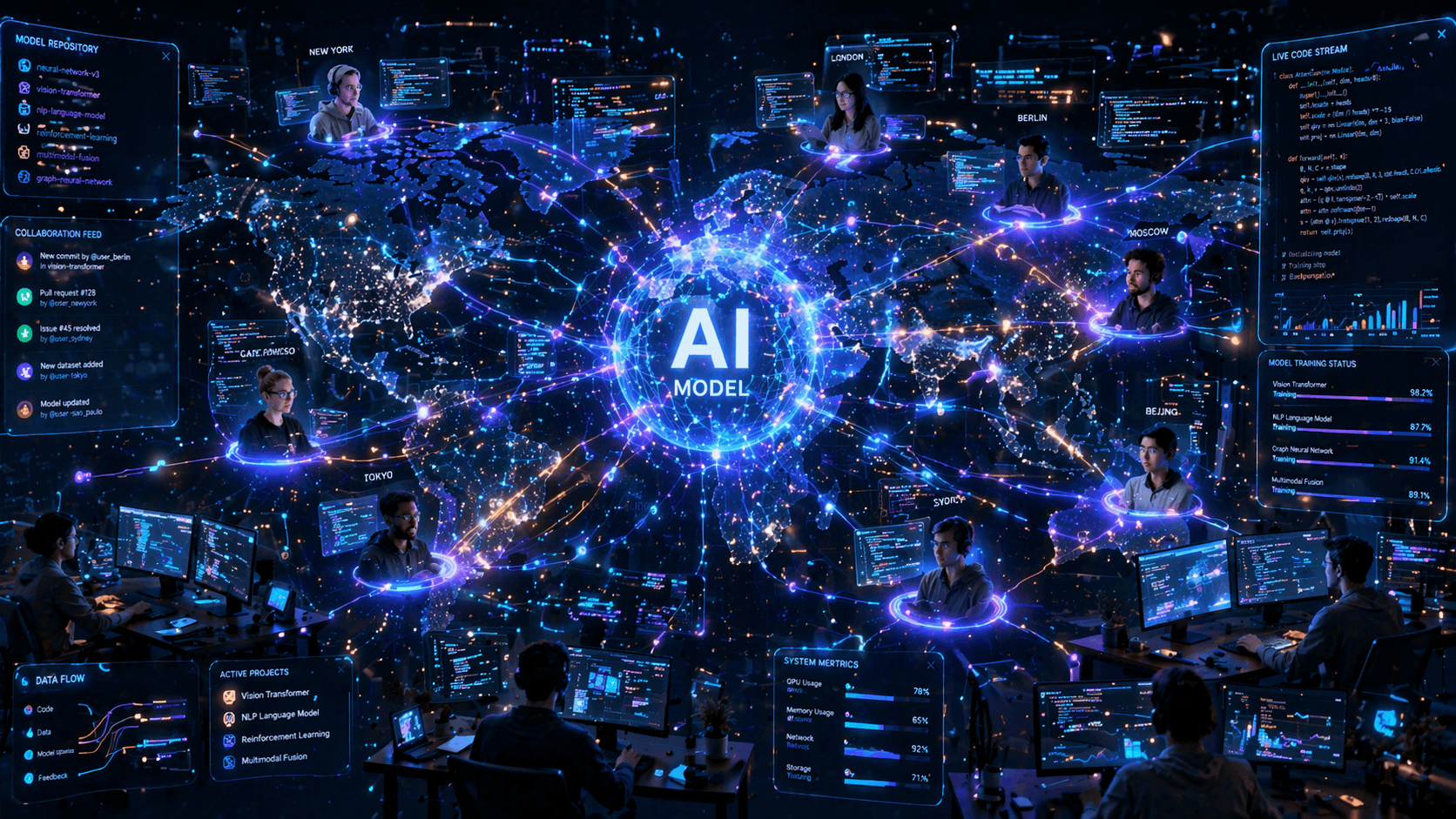
The broader implication of open-source AI is decentralization. Innovation is no longer concentrated within a few large organizations—it is distributed across a global network of developers, researchers, and companies.
This decentralization fosters resilience and diversity in the AI ecosystem. It reduces dependency on single points of failure and encourages experimentation across different approaches and architectures.
As this trend continues, the future of AI will likely be shaped by a hybrid model—where open and closed systems coexist, each serving different needs. However, the momentum behind open-source innovation suggests that decentralization will play a defining role in the next wave of technological progress.
The future of AI is open, collaborative, and decentralized. Now is the time to explore how these tools can transform your workflow.
Make your content globally accessible with AI-powered subtitles 👉 https://addsubtitle.com/register
It's Free