GPT-5.4 and the Dawn of the AI Operating System: Beyond the Chatbox Paradigm

Alex Chen
Add Subtitle gives brands and creators full control over how their message meets the world. Subtitles, voiceover, and translation—all in one tool to speed up your video workflow.
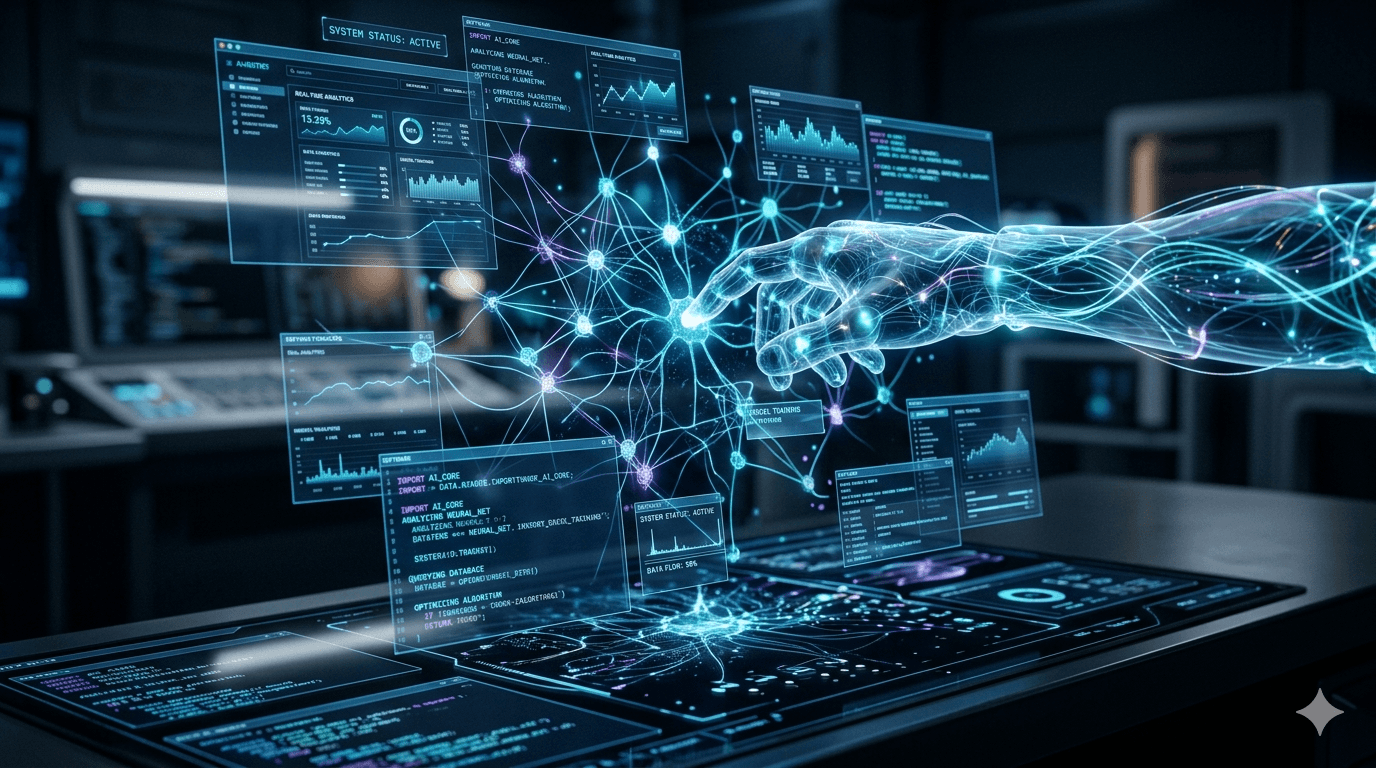
For years, our interaction with Artificial Intelligence has been confined to a rectangular box. We typed, it responded; we prompted, it generated. However, the release of GPT-5.4 marks the definitive end of the "Chatbot Era" and the beginning of something far more profound: the AI Operating System. This transition represents a fundamental shift in how we perceive computing. No longer is the AI just a consultant sitting on the sidelines of our digital lives; it has been given the "keys to the kingdom"—the ability to see, navigate, and interact with computer interfaces just as a human would. This leap from linguistic processing to active computer use is the most significant technical paradigm shift of 2026. In this article, we will explore how GPT-5.4 is dismantling the barriers between intent and execution, effectively turning the entire digital environment into a playground for autonomous agents that can manage workflows, solve complex cross-platform problems, and redefine the very nature of productivity.
GPT-5.4’s core innovation lies in its native "Computer Use" capability. Unlike previous iterations that relied on brittle APIs or specific plugins, this model has been trained on vast datasets of human-computer interaction. It understands the visual grammar of buttons, sliders, and menu bars across diverse operating systems. By processing screen pixels in real-time and predicting the necessary mouse movements and keystrokes, GPT-5.4 can navigate complex software suites that were never designed for AI integration. This means the model can autonomously research a topic on the web, compile data into a spreadsheet, and then draft a comprehensive report in a word processor—all without human intervention. It is the transition from a Large Language Model to a Large Action Model, where the output is no longer just words, but completed tasks.
🔖 CONVERSATION CARD addsubtitle: Empowering the AI-driven era by turning autonomous video workflows into perfectly subtitled, globally accessible content in a single click. 👉 Start Creating Now → https://addsubtitle.com/register
GPT-5.4 and the Dawn of the AI Operating System: Beyond the Chatbox Paradigm
For years, our interaction with Artificial Intelligence has been confined to a rectangular box. We typed, it responded; we prompted, it generated. However, the release of GPT-5.4 marks the definitive end of the "Chatbot Era" and the beginning of something far more profound: the AI Operating System. This transition represents a fundamental shift in how we perceive computing. No longer is the AI just a consultant sitting on the sidelines of our digital lives; it has been given the "keys to the kingdom"—the ability to see, navigate, and interact with computer interfaces just as a human would. This leap from linguistic processing to active computer use is the most significant technical paradigm shift of 2026. In this article, we will explore how GPT-5.4 is dismantling the barriers between intent and execution, effectively turning the entire digital environment into a playground for autonomous agents that can manage workflows, solve complex cross-platform problems, and redefine the very nature of productivity.
The Technical Leap: From Text to Action
GPT-5.4’s core innovation lies in its native "Computer Use" capability. Unlike previous iterations that relied on brittle APIs or specific plugins, this model has been trained on vast datasets of human-computer interaction. It understands the visual grammar of buttons, sliders, and menu bars across diverse operating systems. By processing screen pixels in real-time and predicting the necessary mouse movements and keystrokes, GPT-5.4 can navigate complex software suites that were never designed for AI integration. This means the model can autonomously research a topic on the web, compile data into a spreadsheet, and then draft a comprehensive report in a word processor—all without human intervention. It is the transition from a Large Language Model to a Large Action Model, where the output is no longer just words, but completed tasks.
The AI as the New Kernel
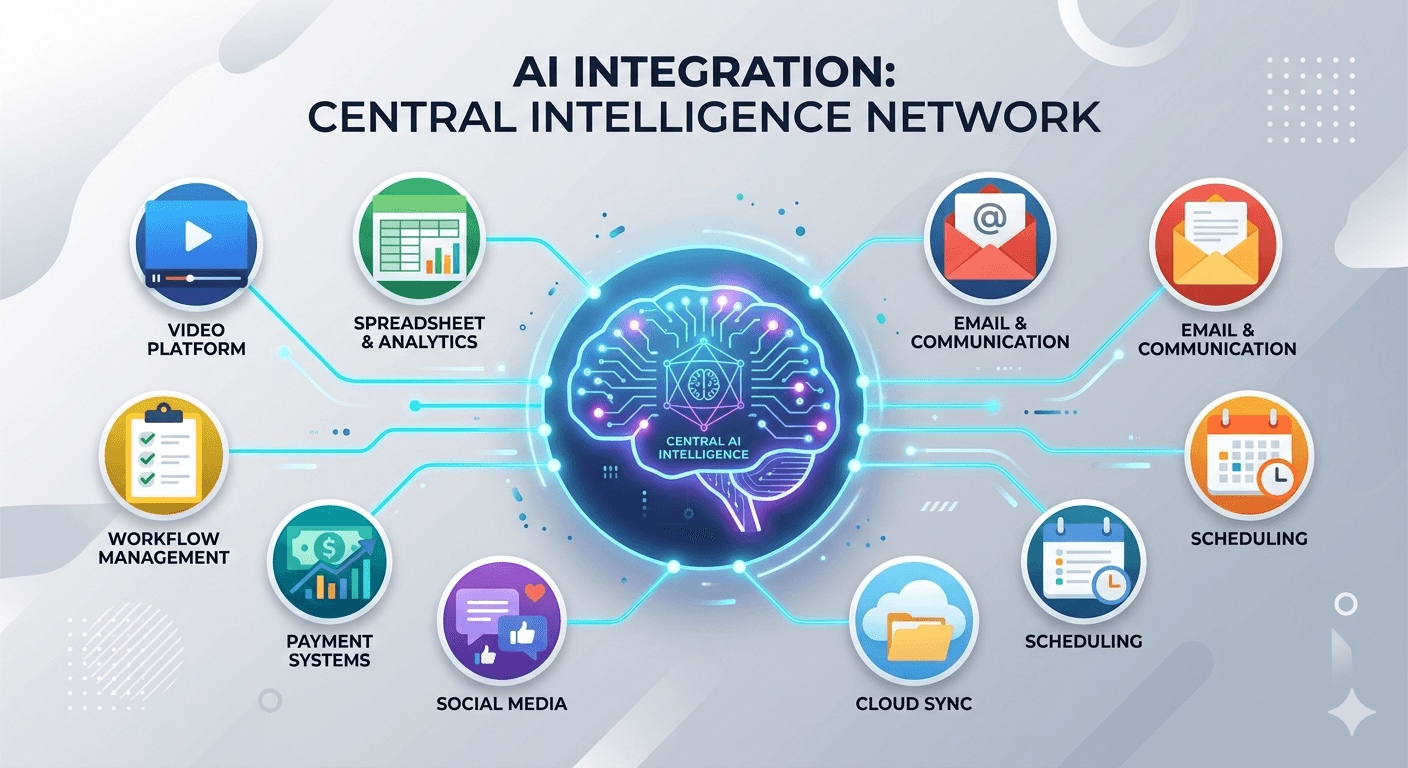
When we describe GPT-5.4 as an "Operating System," we are referring to its role as the central orchestrator of digital tasks. In traditional computing, the OS manages hardware resources; in the new era, the AI OS manages software resources. It acts as a cognitive layer that sits above your applications, translating high-level human intent into a sequence of low-level digital actions. This creates a seamless ecosystem where the boundaries between individual apps begin to blur. If you tell the AI to "organize a marketing campaign," it doesn't just give you a plan; it opens your calendar, coordinates with your team via Slack, and sets up the necessary tracking folders in your cloud storage.
Specialized Tools in an Autonomous World
Even as general-purpose models like GPT-5.4 take over broad workflows, there remains a critical need for specialized "Expert Tools" that provide the precision and high-fidelity output that general models might lack. The future belongs to a hybrid model: a general AI operating system that calls upon specialized, high-performance tools to handle specific, high-stakes tasks like video processing, accessibility, and content localization. This synergy between broad agency and specialized precision is where the true value of the next digital revolution lies, allowing creators to maintain a "human-in-the-loop" approach while benefiting from the sheer speed of autonomous execution.
If this post sparked your curiosity, you're not alone — the AI landscape is moving faster than ever, and staying ahead means staying informed. Share this article with your team or network, and let's keep the conversation going. Drop your thoughts in the comments below — what's your take on this shift?
And if you're looking for a smarter way to work with AI-generated content, give addsubtitle a try — it's built for exactly this moment.
👉 Get started for free
The future isn't coming. It's already here. Are you ready?
It's Free