The Rise of Claude Code: How Agentic AI is Redefining the Future of Programming

Alex Chen
Add Subtitle gives brands and creators full control over how their message meets the world. Subtitles, voiceover, and translation—all in one tool to speed up your video workflow.
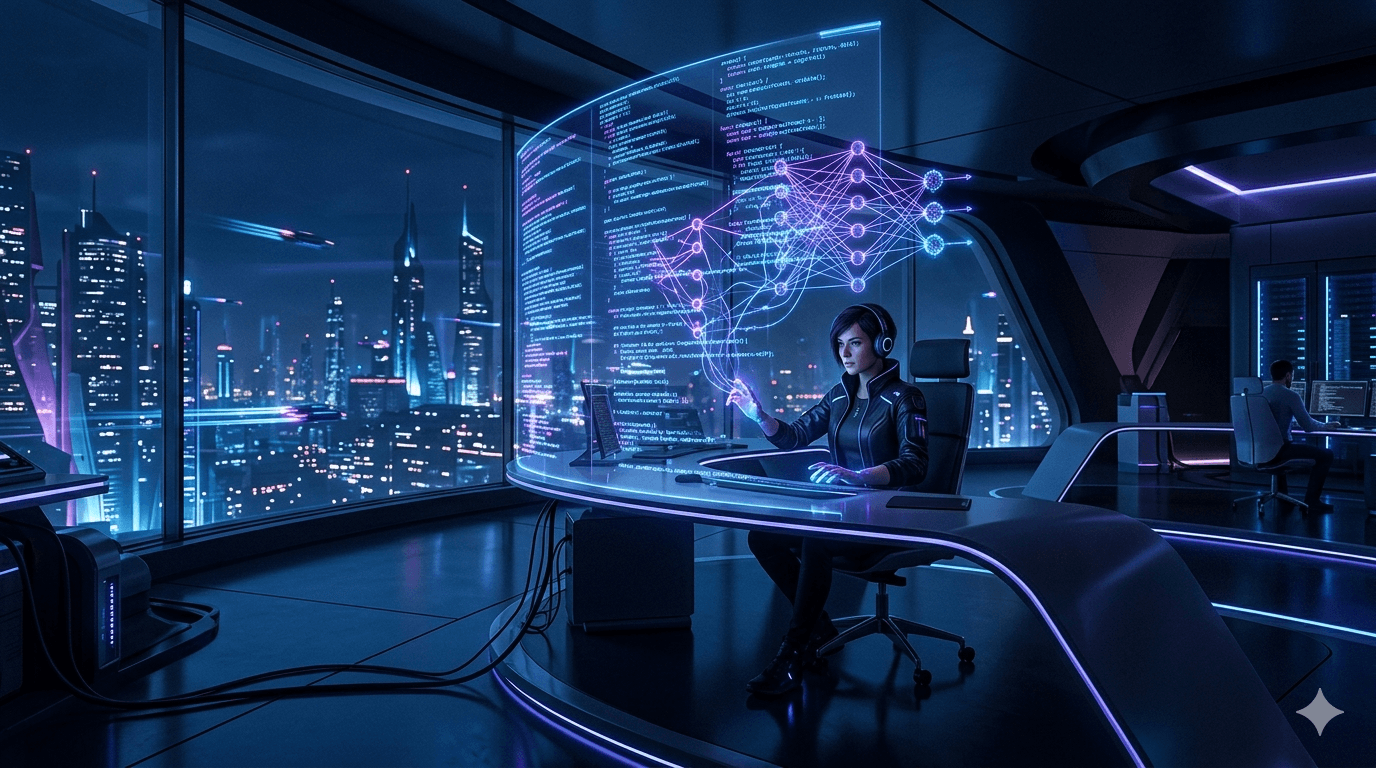
The landscape of software development is undergoing a seismic shift. For decades, we viewed AI as a sophisticated autocomplete—a tool that suggested the next line of code or fixed a syntax error. However, the arrival of Claude Code has signaled the dawn of the "Agentic AI" era. Unlike its predecessors, Claude Code doesn't just suggest; it executes. It navigates complex codebases, runs tests, debugs in real-time, and understands the architectural intent behind a pull request. This transition from passive assistance to active agency represents a fundamental paradigm shift in how we build digital products. As Claude Code climbs to the top of programming tool rankings, developers are forced to ask: Is our role changing from "writers of code" to "orchestrators of intent"? This article explores the technical brilliance behind this shift, the immediate impact on developer productivity, and why the integration of autonomous agents is no longer a luxury but a necessity for modern engineering teams. We are moving beyond the era of Copilots into the age of Autopilots, and the implications for the industry are profound.
The transition to Agentic AI marks a move from simple code generation to autonomous problem-solving. Claude Code exemplifies this by managing entire development lifecycles independently, reducing manual overhead significantly. This shift allows developers to focus on high-level architecture rather than mundane debugging, fundamentally altering the software engineering workflow and setting a new gold standard for productivity tools in the AI era.
addsubtitle: Empower your technical content with AI-driven precision, ensuring your global audience never misses a beat.
👉 [Register Now] → [https://addsubtitle.com/register]
From Autocomplete to Autonomous Agency
The journey of AI in programming began with simple pattern matching, but Claude Code represents a leap into true autonomy. While previous iterations required constant human hand-holding, this new generation of agentic tools possesses "state awareness." It understands the context of an entire repository, not just the open file. By leveraging advanced reasoning capabilities, it can identify dependencies that a human might overlook during a quick refactor. This evolution is driven by the underlying Claude 3.5 Sonnet model, which has been fine-tuned specifically for terminal-based interactions and complex logic. The result is a tool that feels less like a plugin and more like a senior pair programmer who can actually take the keyboard. This shift is crucial because it addresses the "context window" problem not just through token size, but through intelligent retrieval and action.
Mastering the Terminal Environment
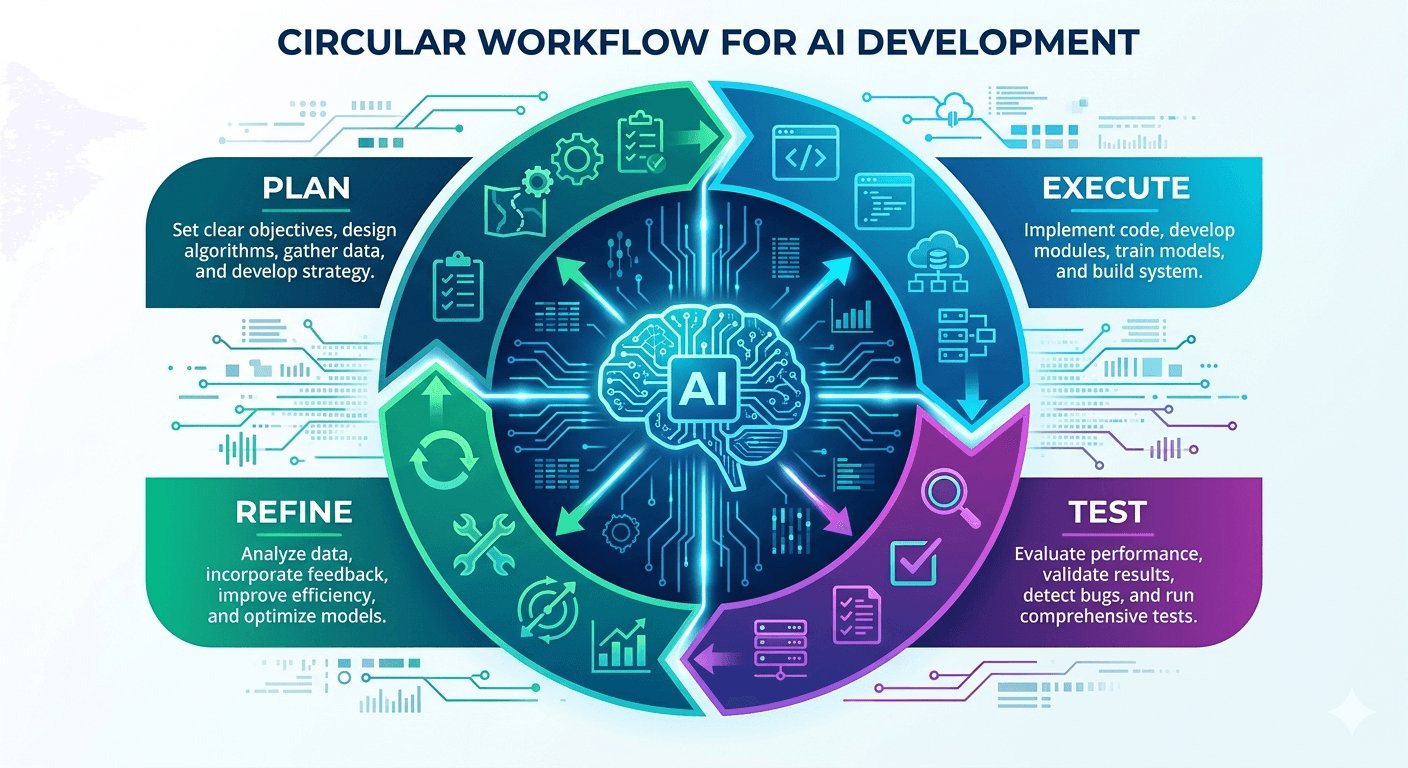
What sets Claude Code apart in recent rankings is its seamless integration with the developer's local environment. It isn't confined to a chat box; it lives in the CLI, where real work happens. It can execute shell commands, read local files, and even run a local server to verify its own fixes. This "loop-based" architecture—where the AI proposes a change, runs the test suite, observes the failure, and iterates—mimics the human development cycle with superhuman speed. The technical achievement here lies in the agent's ability to handle ambiguity. When faced with a vague bug report, Claude Code can explore the codebase to find the root cause, demonstrating a level of "agentic reasoning" that was previously theoretical. This capability has propelled it to the top of the SWE-bench benchmarks, proving its practical utility.
Redefining the Developer Persona
As these tools become ubiquitous, the "developer" identity is being rewritten. We are seeing a shift from "syntax mastery" to "system design." If an agent can handle the boilerplate and the unit tests, the human developer's value migrates to defining the "what" and "why" rather than the "how." This democratization of high-level engineering means that small teams can now maintain massive, complex systems that previously required dozens of engineers. However, this also introduces new challenges in code review and security. How do we audit code that was written and tested by an agent in seconds? Engineering culture must adapt by developing new frameworks for "Agentic Oversight," ensuring that while the agents do the heavy lifting, the human remains the ultimate authority on safety and architectural integrity.
The Future of Agentic Ecosystems
The success of Claude Code is just the beginning of a broader trend where every digital task becomes agentic. We are moving toward an ecosystem where different specialized agents—coding agents, testing agents, and deployment agents—collaborate autonomously. This "multi-agent" future will further compress the time between an idea and a finished product. For developers and creators alike, the barrier to entry is collapsing. Whether you are building a complex SaaS platform or a specialized tool like addsubtitle, the ability to leverage these autonomous workflows will be the primary competitive advantage. The future belongs to those who can effectively direct these digital workforces to solve real-world problems at scale.
The era of Agentic AI is here, and it’s time to lead the change. Stay ahead of the curve by subscribing to our newsletter for the latest insights into AI-driven development. If you found this analysis helpful, share it with your network on LinkedIn or X. Ready to boost your own productivity? Experience the power of AI with addsubtitle at [https://addsubtitle.com/register]. Join the conversation in the comments below—how is Agentic AI changing your workflow? Let’s build the future together.
It's Free