After Sora, the Real AI Video Race Is About Localization, Not Just Generation

Yifan Zhao
Add Subtitle gives brands and creators full control over how their message meets the world. Subtitles, voiceover, and translation—all in one tool to speed up your video workflow.
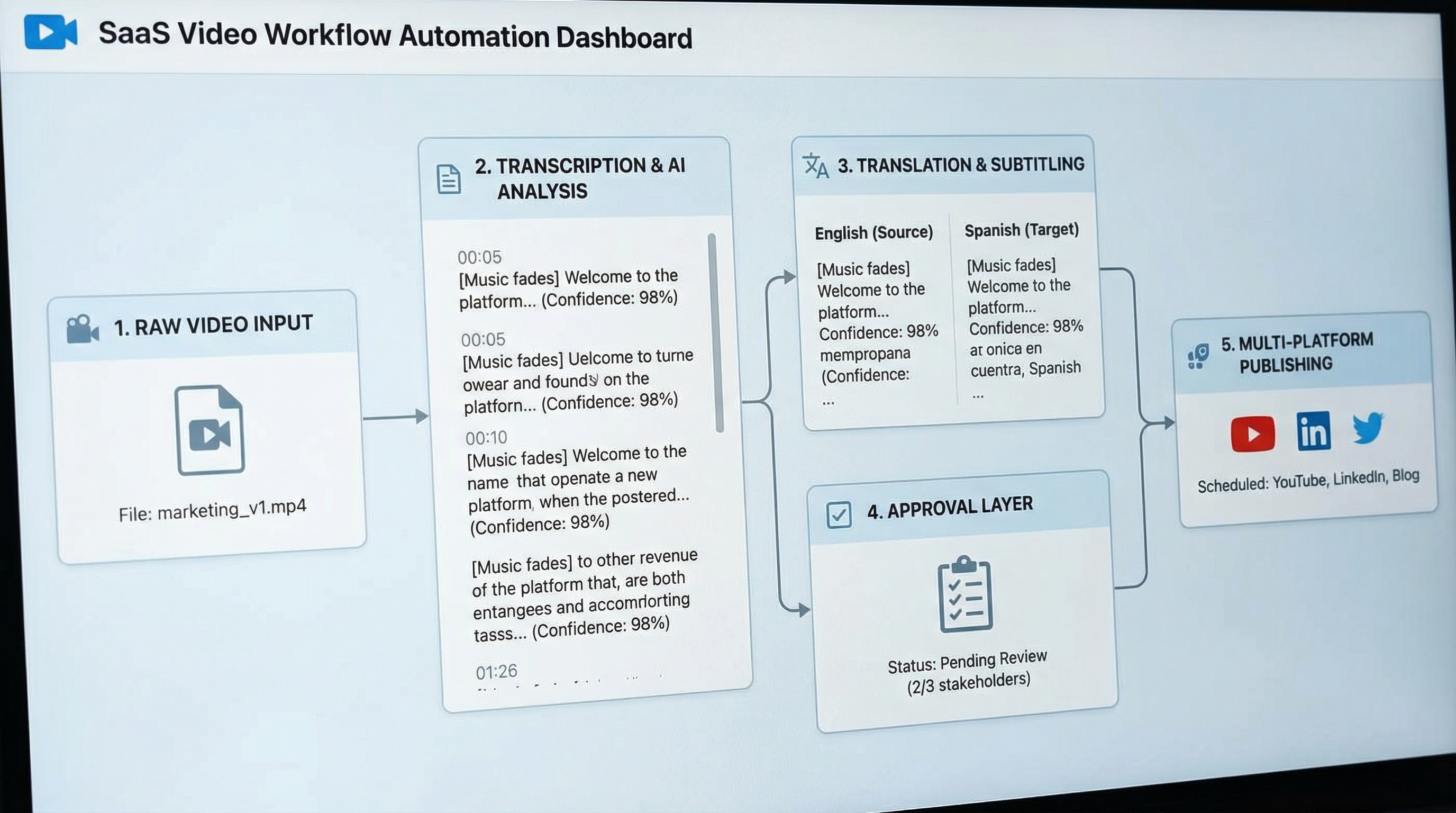
The AI video market has spent the last year obsessed with model spectacle: better motion, better realism, better text-to-video demos. But today’s signal is different. If a flagship product like Sora can disappear from the conversation so abruptly, then creative teams need to stop anchoring strategy on novelty alone.
What remains valuable after the model hype fades is the workflow layer around the content itself: transcription, subtitle generation, translation, compliance edits, regional adaptation, and multi-platform distribution. In other words, the winners in the next phase of AI video may not be the teams with the flashiest generator, but the ones that can move content across languages and channels with the least friction.
A lot of teams still treat subtitles as post-production cleanup. That is already outdated. In a world where short-form video is distributed across multiple regions, subtitle workflows are no longer cosmetic—they are infrastructure. The faster a team can turn one source clip into multiple language-ready versions, the faster it can test markets, improve retention, and extend content lifespan without rebuilding creative from scratch.
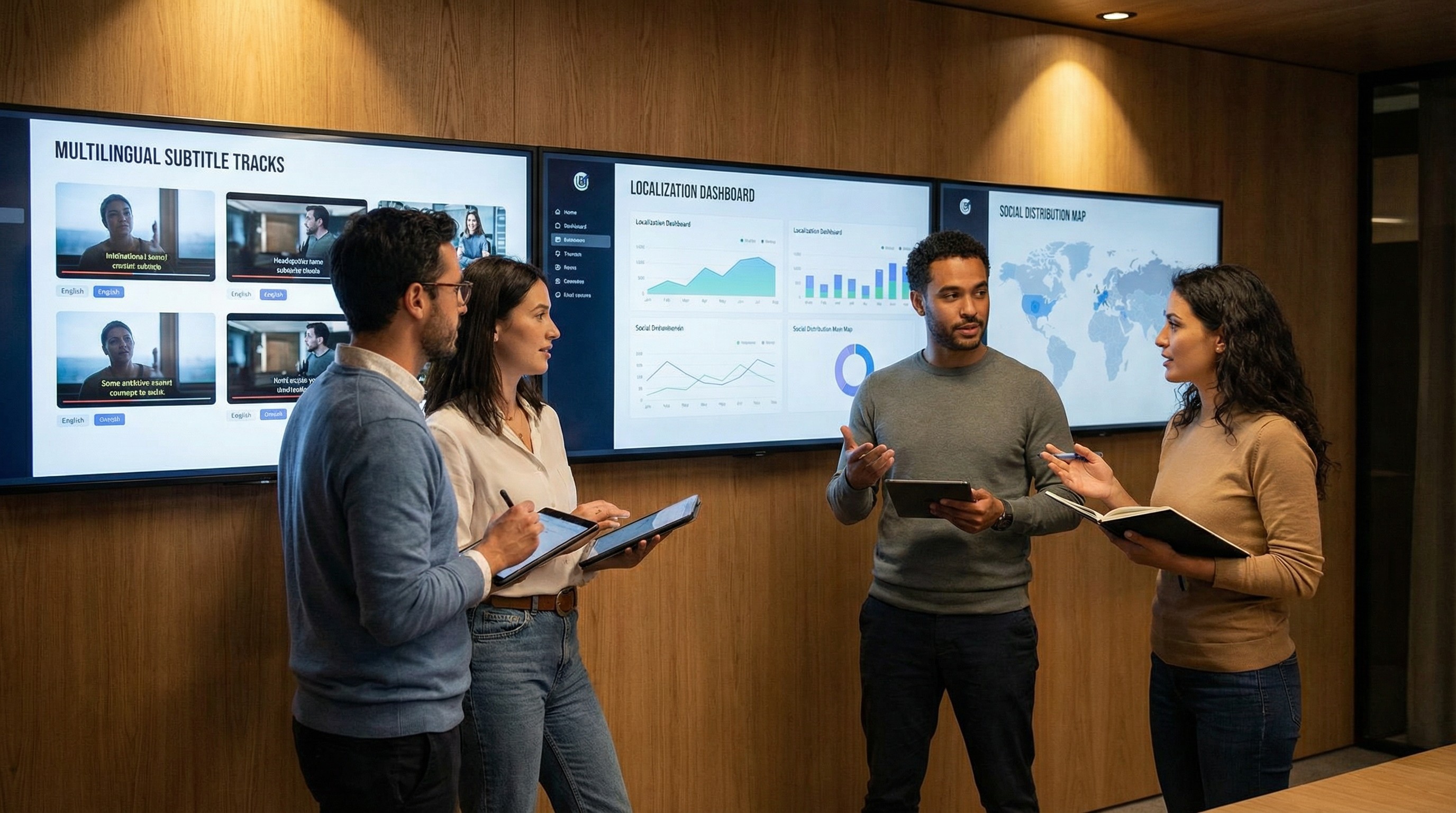
🚀 Why subtitle workflows suddenly matter more
When frontier video products become unstable, creators stop betting on spectacle alone. The safer competitive edge is fast localization: transcript, translate, subtitle, publish.
👉 Read the full breakdown
The market is shifting from model fascination to operational usefulness
For a while, AI video discussion was driven by the same question: which model looks the most impressive in a demo? That question still matters, but it matters less than it did six months ago. The reason is simple: creators and marketers do not ship demos. They ship campaigns, product videos, explainers, training clips, paid ads, and social assets under deadlines.
A model can be visually stunning and still fail the real test if teams cannot reliably turn its output into publishable assets. This is exactly where subtitle and localization workflows become more important than many people expected. A video is not “done” when it is rendered. It is done when it can be understood, repurposed, reviewed, translated, approved, and distributed.
Why subtitles are now a growth layer, not a formatting layer
Subtitles used to be framed as an accessibility feature or a social media best practice. They are both—but that framing is too small now. In 2026, subtitles are also a growth mechanism.
They improve silent-viewing performance on feeds. They make editing faster because script mismatches become obvious. They reduce friction in multilingual republishing. They create a bridge between one original asset and many market-specific versions. And once a team has transcript-level control over a video, it becomes much easier to generate cut-downs, extract ad variants, create translated SRTs, and launch region-specific distribution.
This changes the economics of video production. Instead of paying the full cost of creative regeneration for every market, teams can increasingly scale through adaptation.
The small-team advantage is becoming workflow quality
Large companies can afford to experiment with multiple AI video models and custom internal tooling. Small teams usually cannot. What they can do, however, is compress turnaround time.
A lean team with a stable subtitle workflow can often outperform a larger but slower organization. If they can go from source video to transcript, from transcript to translated subtitle pack, and from subtitle pack to channel-ready exports in one operational flow, they can test messaging much faster than teams still handling those steps manually.
That is why the “best” AI video stack is no longer only a generation stack. It is a coordination stack. It includes:
source content creation
transcript extraction
subtitle refinement
multilingual translation
review loops
publish-ready packaging
Whoever shortens that chain wins more than the team that simply generates prettier footage.
After Sora, reliability becomes a strategy
The larger lesson from the current moment is not that video generation is over. It is that dependency on a single flashy product is risky. Creative teams should assume that some tools will vanish, pivot, degrade, reprice, or become less predictable.
That shifts strategic value toward portable workflow assets:
transcripts
subtitle files
language variants
modular edit pipelines
reusable packaging steps
These assets survive product volatility. A generator might disappear. A subtitle workflow does not. A branding layer can change. A translated distribution pipeline still holds value. This is a more mature way to think about AI content operations: not as one miracle model, but as a resilient production system.
What this means for brands and creator teams right now
If your team is already experimenting with AI video, the next upgrade should probably not be another headline-grabbing model. It should be operational infrastructure around the videos you already make.
Ask more practical questions:
How quickly can we generate transcripts from new video?
How fast can we produce subtitle-ready versions for other regions?
Can we package edited subtitles, source transcript, and burned outputs in one pass?
Can we republish the same asset across channels without rebuilding the whole workflow?
The teams that answer those questions well will create more output from the same footage, learn faster from each campaign, and waste less energy in repetitive post-production loops.
If your video team is still treating subtitles as an afterthought, this is the right moment to fix that. The next wave of AI video advantage will come from teams that can localize, adapt, and publish faster—not just generate faster. Build the subtitle workflow now, and you turn every video asset into something more scalable, more portable, and more commercially useful.
It's Free